Understanding Common Causes of Unexpected Home Infrastructure Breakdowns

Home infrastructure rarely fails in a sudden, isolated moment. What looks like an unexpected breakdown is usually the end result of small, long-term stress points building up across multiple systems. Heating, plumbing, exterior surfaces, and structural components are all connected in ways that are easy to overlook during day-to-day use.

When one area starts weakening, others often begin to compensate. That added strain accelerates wear, and the problem spreads faster than most homeowners expect. A furnace working harder to offset poor insulation, or a drain system struggling with buildup, can quietly affect the stability of the entire home environment.

Understanding these patterns gives a clearer view of how breakdowns actually form. Instead of reacting to emergencies, you can recognize early warning signs and reduce the risk of large-scale failure.

By regularly inspecting and maintaining each component of your home infrastructure, you can create a proactive approach to home care. Simple practices like cleaning gutters, checking for leaks, and insulating areas that are prone to drafts can significantly enhance the overall resilience of your home. Moreover, being aware of the interactions between various systems allows you to prioritize repairs and upgrades effectively, ensuring that one problematic area doesn’t compromise the integrity of others. This holistic perspective not only saves money in the long run but also contributes to a safer, more comfortable living environment.

Mechanical Strain in Core Home Systems
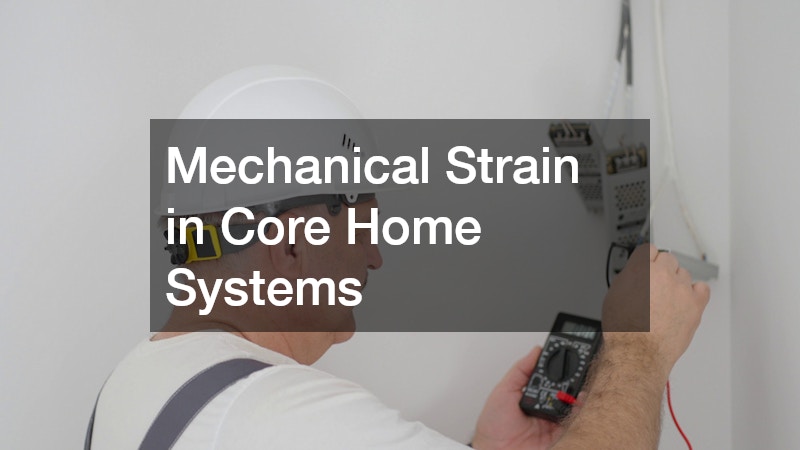
Mechanical systems inside a home carry a constant workload. Heating, cooling, and water movement operate daily, often without interruption for years at a time. Because of this, small inefficiencies can build gradually until performance drops noticeably.

Air circulation systems are especially sensitive to neglect. When filters clog or ducts accumulate debris, airflow becomes restricted. The system compensates by running longer cycles, which increases internal wear. Over time, this leads to overheating components and reduced efficiency. In many cases, homeowners only notice the issue when comfort levels drop significantly, at which point professional HVAC services are often needed to restore proper function and rebalance airflow throughout the home.

Water systems follow a similar decline pattern. Pipes slowly accumulate mineral buildup, seals weaken, and pressure becomes uneven. Early signs can be subtle, like slower drains or inconsistent water temperature. As conditions worsen, leaks or blockages become more frequent. Plumbing companies are typically called when these issues become widespread or hidden behind walls and flooring.

These mechanical strains rarely stay isolated. A struggling HVAC system can increase humidity imbalance, which then affects plumbing lines and interior materials. Once multiple systems are working harder than normal, breakdown risk rises significantly.

Heating System Failures and Energy Disruptions

Heating systems carry one of the highest seasonal loads in a home, especially during colder months. Because they operate under increased demand, any inefficiency becomes amplified quickly. A system that is slightly out of balance in early fall can become a full breakdown by midwinter.

One common issue involves aging or improperly sized equipment. A unit that is too small for the home will cycle continuously, while an oversized system may short-cycle and wear out components faster. Over time, this imbalance reduces efficiency and increases the likelihood of sudden failure. When replacement or upgrade becomes necessary, proper boiler installation plays a key role in ensuring the system matches the home’s actual heating requirements rather than simply replacing old equipment with similar capacity.

Energy delivery also affects performance. Homes connected to inconsistent or aging supply lines may experience fluctuating output, especially during peak usage periods. Coordination with a local utility contractor becomes important when external infrastructure contributes to irregular heating performance or voltage instability.

As strain builds, homeowners may notice uneven heating across rooms, longer warm-up times, or unusual noises coming from the system. These signs often indicate that internal components are struggling to keep up with demand. If ignored, the system can fail entirely, often during peak cold conditions when replacement becomes more urgent and costly.

Water Damage and Exterior Surface Failure
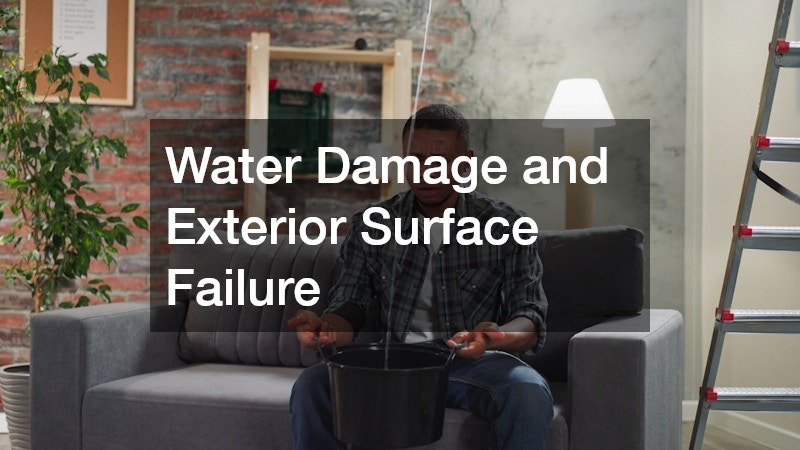
Water intrusion is one of the most destructive forces affecting home infrastructure because it spreads quietly and affects multiple materials at once. Unlike mechanical systems that fail in noticeable stages, water damage often develops behind walls, under flooring, or within structural cavities where it remains hidden for long periods.

Small entry points such as hairline cracks, worn seals, or loose flashing allow moisture to enter slowly. At first, the impact may seem minimal. However, repeated exposure weakens building materials, leading to swelling, rot, and mold growth. Once this process reaches structural framing, repairs become significantly more complex.

In severe cases, restoration contractors are required to address widespread damage involving insulation replacement, structural drying, and reconstruction of affected areas. These situations often begin with minor leaks that are not detected early enough to prevent spread.

Exterior surfaces also play a major role in preventing water intrusion. Stucco, siding, and protective coatings act as barriers between the environment and the home’s internal structure. When these surfaces crack or degrade, moisture finds its way inside more easily. Repair work from stucco companies becomes necessary when surface integrity is compromised, and patchwork solutions are no longer effective.

Water-related failures rarely stay isolated. Once moisture enters the structure, it can affect electrical systems, flooring stability, and air quality. This creates a chain reaction where one issue leads to multiple repair needs across different parts of the home.

Surface Settlement and Ground Movement Issues

The stability of a home depends heavily on the ground beneath it. Soil conditions shift over time due to weather changes, water absorption, and natural settling. These movements are often gradual, but their effects can become visible in structural surfaces.

Driveways, patios, and walkways are usually the first areas to show signs of movement. Cracks may appear, surfaces may sink slightly, or edges may become uneven. While these issues may seem cosmetic at first, they often indicate deeper changes occurring below the surface level.

When asphalt or paved areas begin to deteriorate, paving companies are often brought in to restore structural integrity and correct uneven surfaces. However, surface repair alone may not solve the underlying issue if soil movement continues.

In cases involving foundational shifting or slab separation, local concrete services are typically required to assess and repair structural components. These repairs may involve stabilization techniques that address both surface damage and underlying soil conditions.

As settlement progresses, homeowners may also notice indirect signs inside the home. Doors may stop closing properly, windows may stick, or minor gaps may form between walls and floors. These indicators often suggest that movement is affecting the entire structure rather than just exterior surfaces.

Structural Wear and Entry Point Failures

Entry points such as doors, frames, and structural transitions are often overlooked when considering home infrastructure. However, these areas experience constant use and are exposed to environmental pressure from both inside and outside the home.

Over time, natural settling and material expansion cause slight misalignment. Doors that once closed smoothly may begin to stick or leave gaps. Weather exposure can also warp materials, affecting sealing and insulation performance.

In many cases, door repairs become necessary when alignment issues prevent proper sealing or security function. These repairs are often more complex than they appear because they may involve adjustments to framing, hinges, and surrounding structural elements rather than just the door itself.

When multiple structural issues appear across different areas of the home, contracting services are often used to coordinate repairs. This approach helps address interconnected problems instead of treating each symptom separately. For example, a misaligned door may be linked to foundation movement or moisture-related expansion in surrounding materials.

Structural wear also affects energy efficiency. Even small gaps around entry points allow air exchange that increases heating and cooling demands. Over time, this added load contributes to higher utility costs and increased strain on internal systems.

Seasonal Stress and Environmental Pressure on Home Systems
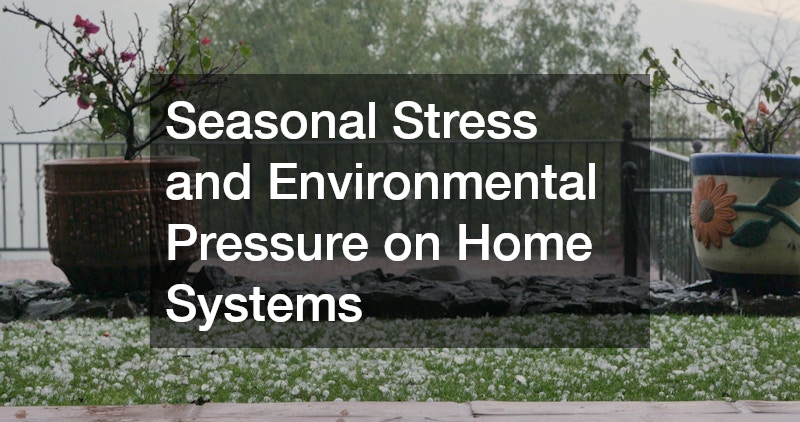
Seasonal changes place predictable but heavy stress on home infrastructure. Temperature swings, humidity changes, and precipitation cycles all affect how materials expand, contract, and respond over time.

Cold seasons increase pressure on heating systems, water lines, and insulation layers. Pipes are more likely to freeze if exposed or poorly insulated. Heating systems run longer cycles, increasing wear on mechanical parts. Even small inefficiencies become more noticeable when the system operates continuously for extended periods.

Warm seasons introduce different challenges. Higher humidity levels place strain on cooling systems and increase the likelihood of moisture buildup in walls and crawl spaces. This can accelerate mold growth and weaken materials that were already compromised during colder months.

Repeated seasonal cycles gradually reduce the lifespan of many home components. Materials expand and contract repeatedly, seals weaken, and fasteners loosen. Over time, this contributes to system instability that may not become visible until multiple issues appear at once.

Regular maintenance is crucial in mitigating the effects of seasonal changes on home infrastructure. Homeowners should conduct seasonal inspections, checking heating systems before winter and cooling systems before summer. Ensuring proper insulation and sealing around windows and doors can help minimize temperature fluctuations and protect against moisture intrusion. Additionally, clearing gutters and downspouts can prevent water damage during heavy rains and promote proper drainage. By staying proactive with maintenance and addressing minor issues before they escalate, homeowners can prolong the lifespan of their home components and maintain a comfortable living environment throughout the year.

Maintenance Gaps and Deferred Repairs

One of the most common causes of unexpected infrastructure breakdowns is delayed maintenance. Small issues that seem non-urgent are often postponed, allowing them to develop into larger failures over time.

A slow leak, minor crack, or slightly inefficient system may not appear urgent on its own. However, when multiple small issues are left unresolved, they begin to interact and compound each other. A minor plumbing issue can lead to structural moisture damage, while reduced airflow can increase strain on heating systems.

Deferred maintenance also makes diagnosis more difficult. When multiple systems degrade at once, it becomes harder to identify the original source of the problem. This often results in broader repair work rather than targeted fixes.

Homes that follow consistent maintenance schedules tend to experience fewer sudden breakdowns because issues are identified early. In contrast, homes with irregular maintenance patterns often face clustered failures that require more extensive intervention.

Aging Materials and Lifespan Limitations

Every home system and material has a natural lifespan. Pipes corrode over time, seals dry out, electrical components weaken, and structural materials slowly degrade under constant load.

Aging does not always lead to immediate failure, but it increases vulnerability across the entire system. Older materials are less able to handle stress, making them more likely to fail when additional pressure is applied.

As multiple components age at different rates, the home becomes less stable overall. A new system installed alongside older infrastructure may still struggle if surrounding materials are deteriorating.

Understanding material lifespan helps explain why breakdowns often appear suddenly. In reality, the system was already operating near its limit, and a small trigger was enough to push it into failure.

Unexpected home infrastructure breakdowns rarely stem from a single cause. They develop through layers of mechanical strain, environmental exposure, and gradual material decline. Each system influences the others, creating a network where small problems can spread quickly.

Heating, plumbing, structural integrity, and exterior protection all depend on balance. When one area weakens, others compensate until the entire system reaches a breaking point.

Recognizing early warning signs, understanding seasonal stress, and addressing maintenance gaps all reduce the likelihood of sudden failure. Most breakdowns are not truly unexpected—they are simply the final stage of issues that have been building quietly over time.

In addition to regular maintenance, adopting a proactive approach can significantly enhance the lifespan of your home’s systems. This involves not only routine inspections but also investing in upgrades that address potential vulnerabilities. For instance, modernizing insulation can improve energy efficiency and reduce wear on heating systems, while advanced plumbing solutions can mitigate leak risks. 

Empowering Homeowners Through Proactive Maintenance
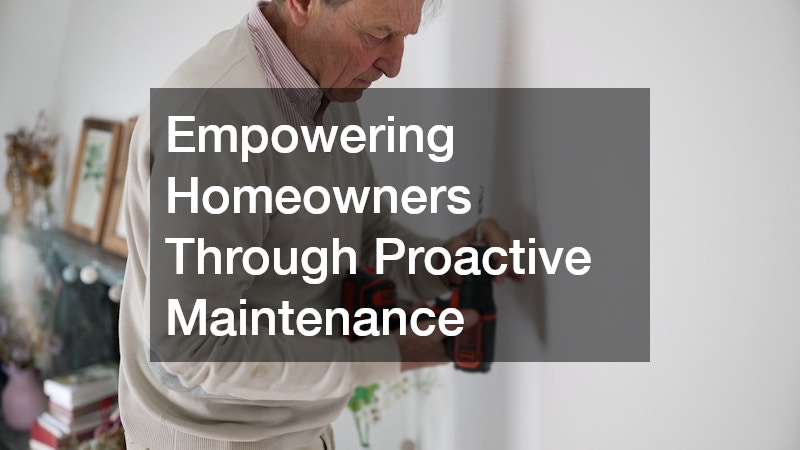
By taking these steps, homeowners can create a resilient infrastructure that not only withstands the tests of time and environment but also improves overall comfort and safety. Ultimately, staying ahead of maintenance and being aware of your home’s unique needs can transform preventative care from a burden into an empowering strategy.
Home infrastructure rarely fails in a sudden, isolated moment. What looks like an unexpected breakdown is usually the end result of small, long-term stress points building up across multiple systems. Heating, plumbing, exterior surfaces, and structural components are all connected in ways that are easy to overlook during day-to-day use.

When one area starts weakening, others often begin to compensate. That added strain accelerates wear, and the problem spreads faster than most homeowners expect. A furnace working harder to offset poor insulation, or a drain system struggling with buildup, can quietly affect the stability of the entire home environment.

Understanding these patterns gives a clearer view of how breakdowns actually form. Instead of reacting to emergencies, you can recognize early warning signs and reduce the risk of large-scale failure.

By regularly inspecting and maintaining each component of your home infrastructure, you can create a proactive approach to home care. Simple practices like cleaning gutters, checking for leaks, and insulating areas that are prone to drafts can significantly enhance the overall resilience of your home. Moreover, being aware of the interactions between various systems allows you to prioritize repairs and upgrades effectively, ensuring that one problematic area doesn’t compromise the integrity of others. This holistic perspective not only saves money in the long run but also contributes to a safer, more comfortable living environment.

Mechanical Strain in Core Home Systems

Mechanical systems inside a home carry a constant workload. Heating, cooling, and water movement operate daily, often without interruption for years at a time. Because of this, small inefficiencies can build gradually until performance drops noticeably.

Air circulation systems are especially sensitive to neglect. When filters clog or ducts accumulate debris, airflow becomes restricted. The system compensates by running longer cycles, which increases internal wear. Over time, this leads to overheating components and reduced efficiency. In many cases, homeowners only notice the issue when comfort levels drop significantly, at which point professional HVAC services are often needed to restore proper function and rebalance airflow throughout the home.

Water systems follow a similar decline pattern. Pipes slowly accumulate mineral buildup, seals weaken, and pressure becomes uneven. Early signs can be subtle, like slower drains or inconsistent water temperature. As conditions worsen, leaks or blockages become more frequent. Plumbing companies are typically called when these issues become widespread or hidden behind walls and flooring.

These mechanical strains rarely stay isolated. A struggling HVAC system can increase humidity imbalance, which then affects plumbing lines and interior materials. Once multiple systems are working harder than normal, breakdown risk rises significantly.

Heating System Failures and Energy Disruptions

Heating systems carry one of the highest seasonal loads in a home, especially during colder months. Because they operate under increased demand, any inefficiency becomes amplified quickly. A system that is slightly out of balance in early fall can become a full breakdown by midwinter.

One common issue involves aging or improperly sized equipment. A unit that is too small for the home will cycle continuously, while an oversized system may short-cycle and wear out components faster. Over time, this imbalance reduces efficiency and increases the likelihood of sudden failure. When replacement or upgrade becomes necessary, proper boiler installation plays a key role in ensuring the system matches the home’s actual heating requirements rather than simply replacing old equipment with similar capacity.

Energy delivery also affects performance. Homes connected to inconsistent or aging supply lines may experience fluctuating output, especially during peak usage periods. Coordination with a local utility contractor becomes important when external infrastructure contributes to irregular heating performance or voltage instability.

As strain builds, homeowners may notice uneven heating across rooms, longer warm-up times, or unusual noises coming from the system. These signs often indicate that internal components are struggling to keep up with demand. If ignored, the system can fail entirely, often during peak cold conditions when replacement becomes more urgent and costly.

Water Damage and Exterior Surface Failure

Water intrusion is one of the most destructive forces affecting home infrastructure because it spreads quietly and affects multiple materials at once. Unlike mechanical systems that fail in noticeable stages, water damage often develops behind walls, under flooring, or within structural cavities where it remains hidden for long periods.

Small entry points such as hairline cracks, worn seals, or loose flashing allow moisture to enter slowly. At first, the impact may seem minimal. However, repeated exposure weakens building materials, leading to swelling, rot, and mold growth. Once this process reaches structural framing, repairs become significantly more complex.

In severe cases, restoration contractors are required to address widespread damage involving insulation replacement, structural drying, and reconstruction of affected areas. These situations often begin with minor leaks that are not detected early enough to prevent spread.

Exterior surfaces also play a major role in preventing water intrusion. Stucco, siding, and protective coatings act as barriers between the environment and the home’s internal structure. When these surfaces crack or degrade, moisture finds its way inside more easily. Repair work from stucco companies becomes necessary when surface integrity is compromised, and patchwork solutions are no longer effective.

Water-related failures rarely stay isolated. Once moisture enters the structure, it can affect electrical systems, flooring stability, and air quality. This creates a chain reaction where one issue leads to multiple repair needs across different parts of the home.

Surface Settlement and Ground Movement Issues

The stability of a home depends heavily on the ground beneath it. Soil conditions shift over time due to weather changes, water absorption, and natural settling. These movements are often gradual, but their effects can become visible in structural surfaces.

Driveways, patios, and walkways are usually the first areas to show signs of movement. Cracks may appear, surfaces may sink slightly, or edges may become uneven. While these issues may seem cosmetic at first, they often indicate deeper changes occurring below the surface level.

When asphalt or paved areas begin to deteriorate, paving companies are often brought in to restore structural integrity and correct uneven surfaces. However, surface repair alone may not solve the underlying issue if soil movement continues.

In cases involving foundational shifting or slab separation, local concrete services are typically required to assess and repair structural components. These repairs may involve stabilization techniques that address both surface damage and underlying soil conditions.

As settlement progresses, homeowners may also notice indirect signs inside the home. Doors may stop closing properly, windows may stick, or minor gaps may form between walls and floors. These indicators often suggest that movement is affecting the entire structure rather than just exterior surfaces.

Structural Wear and Entry Point Failures

Entry points such as doors, frames, and structural transitions are often overlooked when considering home infrastructure. However, these areas experience constant use and are exposed to environmental pressure from both inside and outside the home.

Over time, natural settling and material expansion cause slight misalignment. Doors that once closed smoothly may begin to stick or leave gaps. Weather exposure can also warp materials, affecting sealing and insulation performance.

In many cases, door repairs become necessary when alignment issues prevent proper sealing or security function. These repairs are often more complex than they appear because they may involve adjustments to framing, hinges, and surrounding structural elements rather than just the door itself.

When multiple structural issues appear across different areas of the home, contracting services are often used to coordinate repairs. This approach helps address interconnected problems instead of treating each symptom separately. For example, a misaligned door may be linked to foundation movement or moisture-related expansion in surrounding materials.

Structural wear also affects energy efficiency. Even small gaps around entry points allow air exchange that increases heating and cooling demands. Over time, this added load contributes to higher utility costs and increased strain on internal systems.

Seasonal Stress and Environmental Pressure on Home Systems

Seasonal changes place predictable but heavy stress on home infrastructure. Temperature swings, humidity changes, and precipitation cycles all affect how materials expand, contract, and respond over time.

Cold seasons increase pressure on heating systems, water lines, and insulation layers. Pipes are more likely to freeze if exposed or poorly insulated. Heating systems run longer cycles, increasing wear on mechanical parts. Even small inefficiencies become more noticeable when the system operates continuously for extended periods.

Warm seasons introduce different challenges. Higher humidity levels place strain on cooling systems and increase the likelihood of moisture buildup in walls and crawl spaces. This can accelerate mold growth and weaken materials that were already compromised during colder months.

Repeated seasonal cycles gradually reduce the lifespan of many home components. Materials expand and contract repeatedly, seals weaken, and fasteners loosen. Over time, this contributes to system instability that may not become visible until multiple issues appear at once.

Regular maintenance is crucial in mitigating the effects of seasonal changes on home infrastructure. Homeowners should conduct seasonal inspections, checking heating systems before winter and cooling systems before summer. Ensuring proper insulation and sealing around windows and doors can help minimize temperature fluctuations and protect against moisture intrusion. Additionally, clearing gutters and downspouts can prevent water damage during heavy rains and promote proper drainage. By staying proactive with maintenance and addressing minor issues before they escalate, homeowners can prolong the lifespan of their home components and maintain a comfortable living environment throughout the year.

Maintenance Gaps and Deferred Repairs

One of the most common causes of unexpected infrastructure breakdowns is delayed maintenance. Small issues that seem non-urgent are often postponed, allowing them to develop into larger failures over time.

A slow leak, minor crack, or slightly inefficient system may not appear urgent on its own. However, when multiple small issues are left unresolved, they begin to interact and compound each other. A minor plumbing issue can lead to structural moisture damage, while reduced airflow can increase strain on heating systems.

Deferred maintenance also makes diagnosis more difficult. When multiple systems degrade at once, it becomes harder to identify the original source of the problem. This often results in broader repair work rather than targeted fixes.

Homes that follow consistent maintenance schedules tend to experience fewer sudden breakdowns because issues are identified early. In contrast, homes with irregular maintenance patterns often face clustered failures that require more extensive intervention.

Aging Materials and Lifespan Limitations

Every home system and material has a natural lifespan. Pipes corrode over time, seals dry out, electrical components weaken, and structural materials slowly degrade under constant load.

Aging does not always lead to immediate failure, but it increases vulnerability across the entire system. Older materials are less able to handle stress, making them more likely to fail when additional pressure is applied.

As multiple components age at different rates, the home becomes less stable overall. A new system installed alongside older infrastructure may still struggle if surrounding materials are deteriorating.

Understanding material lifespan helps explain why breakdowns often appear suddenly. In reality, the system was already operating near its limit, and a small trigger was enough to push it into failure.

Unexpected home infrastructure breakdowns rarely stem from a single cause. They develop through layers of mechanical strain, environmental exposure, and gradual material decline. Each system influences the others, creating a network where small problems can spread quickly.

Heating, plumbing, structural integrity, and exterior protection all depend on balance. When one area weakens, others compensate until the entire system reaches a breaking point.

Recognizing early warning signs, understanding seasonal stress, and addressing maintenance gaps all reduce the likelihood of sudden failure. Most breakdowns are not truly unexpected—they are simply the final stage of issues that have been building quietly over time.

In addition to regular maintenance, adopting a proactive approach can significantly enhance the lifespan of your home’s systems. This involves not only routine inspections but also investing in upgrades that address potential vulnerabilities. For instance, modernizing insulation can improve energy efficiency and reduce wear on heating systems, while advanced plumbing solutions can mitigate leak risks. 

Empowering Homeowners Through Proactive Maintenance

By taking these steps, homeowners can create a resilient infrastructure that not only withstands the tests of time and environment but also improves overall comfort and safety. Ultimately, staying ahead of maintenance and being aware of your home’s unique needs can transform preventative care from a burden into an empowering strategy.

Mechanical Strain in Core Home Systems

Empowering Homeowners Through Proactive Maintenance

Water Damage and Exterior Surface Failure

Seasonal Stress and Environmental Pressure on Home Systems