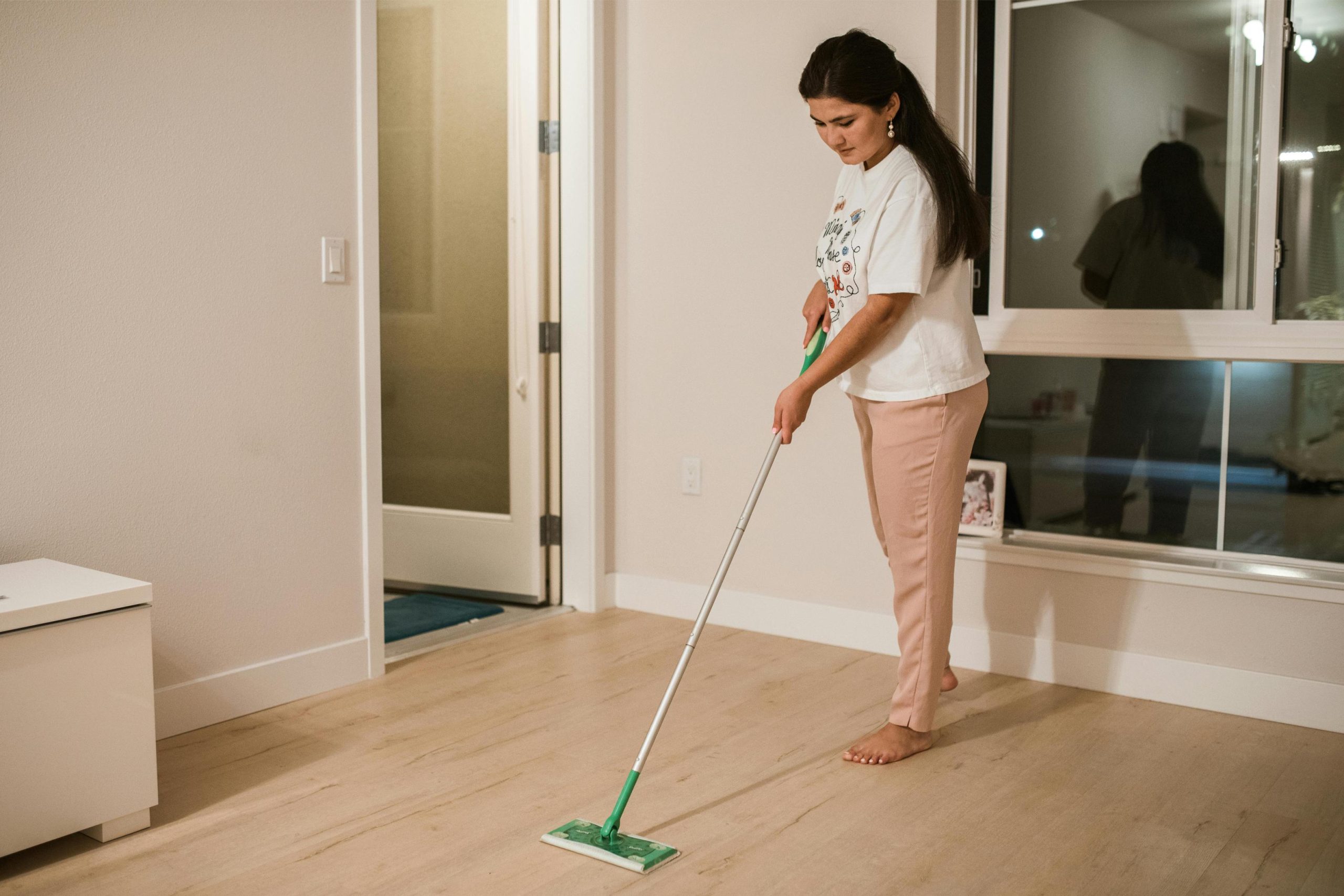
Hardwood floors are often the crown jewel of a home. They add warmth, beauty, and a sense of history to any room. Whether you have classic oak, dark walnut, or modern bamboo, a well-maintained wood floor is something to be proud of. However, hardwood is also a natural material that can be quite sensitive. It doesn’t take much—a small pebble stuck in a shoe or a bit of grit from the backyard—to leave a permanent mark.
The secret to keeping your floors looking brand new isn’t a magical chemical or an expensive machine. The secret is consistency. When it comes to hardwood floor cleaning, the goal is to stop the damage before it even starts. By building a simple daily routine, you can protect your investment and keep your home looking its best for decades.
In this guide, we will look at the daily habits that prevent scratches. We will discuss the right tools to use, the common mistakes to avoid, and how a few minutes of work today can save you thousands of dollars in refinishing costs tomorrow.
Why Scratches Happen: The “Sandpaper” Effect
To understand why daily cleaning is so important, you have to think about what happens when you walk across a dirty floor. Dirt, sand, and tiny crumbs might look harmless, but under the weight of a person, they act like sandpaper. Every step you take grinds those tiny particles into the finish of your wood.
Over time, these microscopic scratches add up. The floor begins to look “dull” or “cloudy” because the light is bouncing off a scratched surface instead of a smooth one. Once the protective finish is worn away, moisture can get into the wood, leading to staining and warping. This is why hardwood floor cleaning is about more than just aesthetics—it is about structural protection. Even if you cannot see the dust with your naked eye, it is there, acting as an abrasive force every time you walk to the kitchen or the couch.
Habit 1: The “No-Shoes” Policy
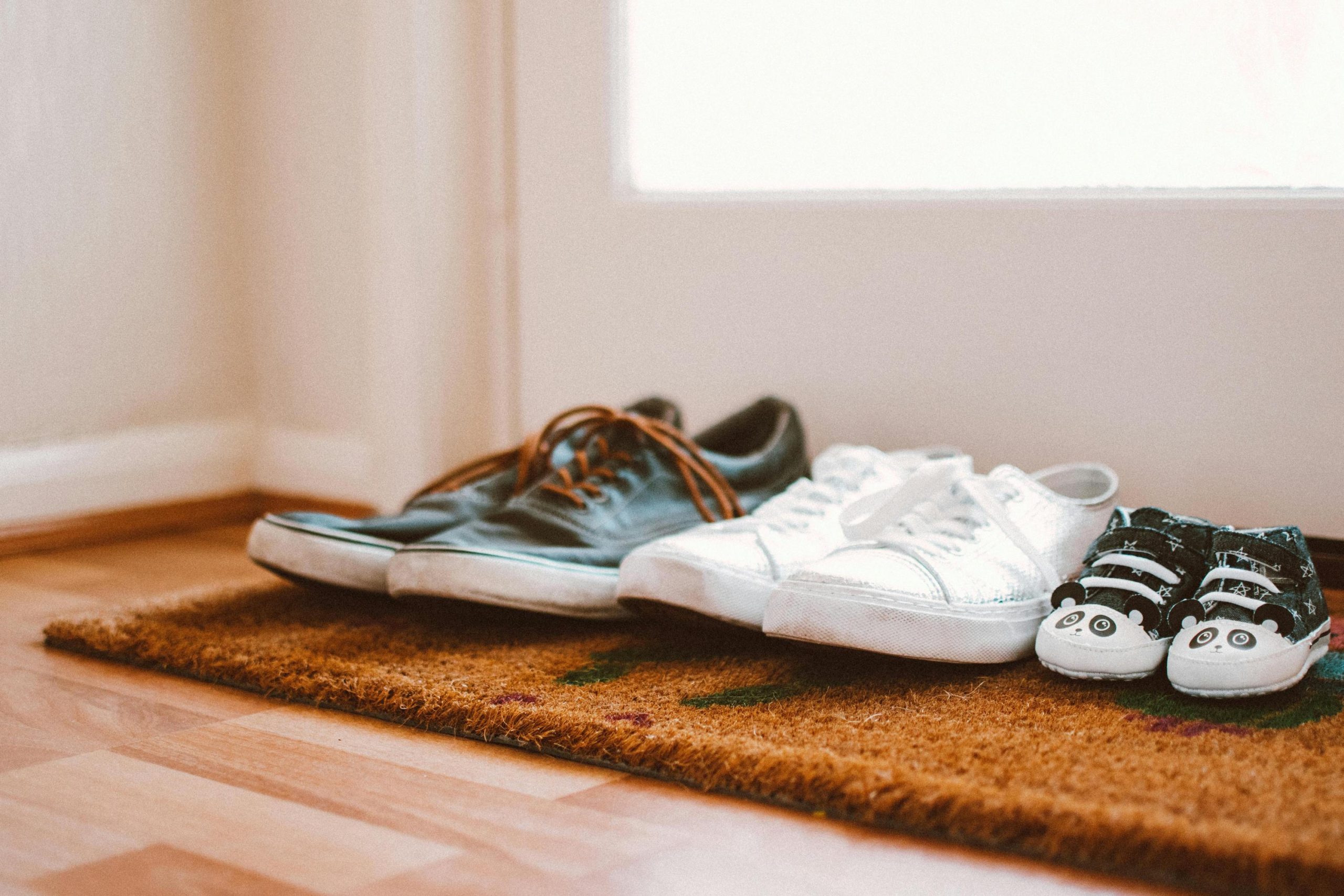
The most effective way to clean your floors is to keep the dirt outside in the first place. About 80% of the dirt in a home is tracked in on the bottom of shoes. This dirt isn’t just “dust”; it often contains nitrogen, lead, and even pesticides from your lawn that can chemically break down your floor’s finish.
- The Rule: Create a “landing zone” at every entrance. Have a cubby, a bench, or a designated mat where everyone in the family must leave their shoes.
- The Benefit: Shoes often have tiny rocks, glass shards, or metal bits stuck in the treads. By removing them at the door, you eliminate the biggest source of deep scratches.
- Pro Tip: If you don’t like walking around barefoot, buy a pair of “indoor-only” slippers. These stay soft and clean, providing comfort without the grit of the outside world. This small change alone can reduce the amount of time you spend cleaning by nearly half.
Habit 2: The Two-Mat System
Even with a no-shoes policy, some dust will always find its way in. A “two-mat system” acts like a filter for your home, catching debris at two separate stages.
- Outdoor Mat: Use a heavy-duty, “scrubby” mat outside the door to catch the big chunks of mud and gravel. These are usually made of coir or rubber.
- Indoor Mat: Use a soft, absorbent microfiber mat just inside the door to catch fine dust and moisture.
- Maintenance: Make sure you shake out or vacuum these mats every day. If the mat is full of dirt, it can’t catch any more, and the overflow will end up on your hardwood. Think of your mats like a sponge; once they are saturated, they just move the mess around instead of soaking it up.
Habit 3: The Daily “Dry” Clean
If you only do one thing every day, it should be a dry cleaning. You don’t need to mop with water daily—in fact, you shouldn’t—but you must remove the surface grit. This is the most critical part of hardwood floor cleaning.
- The Tool: Use a wide microfiber dust mop. These are better than traditional brooms because they use static electricity to “grab” the dust instead of just pushing it into the air. Brooms often have stiff bristles that can flick grit across the floor, potentially causing the very scratches you are trying to avoid.
- The Technique: Move in long, sweeping motions following the grain of the wood. Focus on “high-traffic” areas like hallways and the path between the kitchen and the living room.
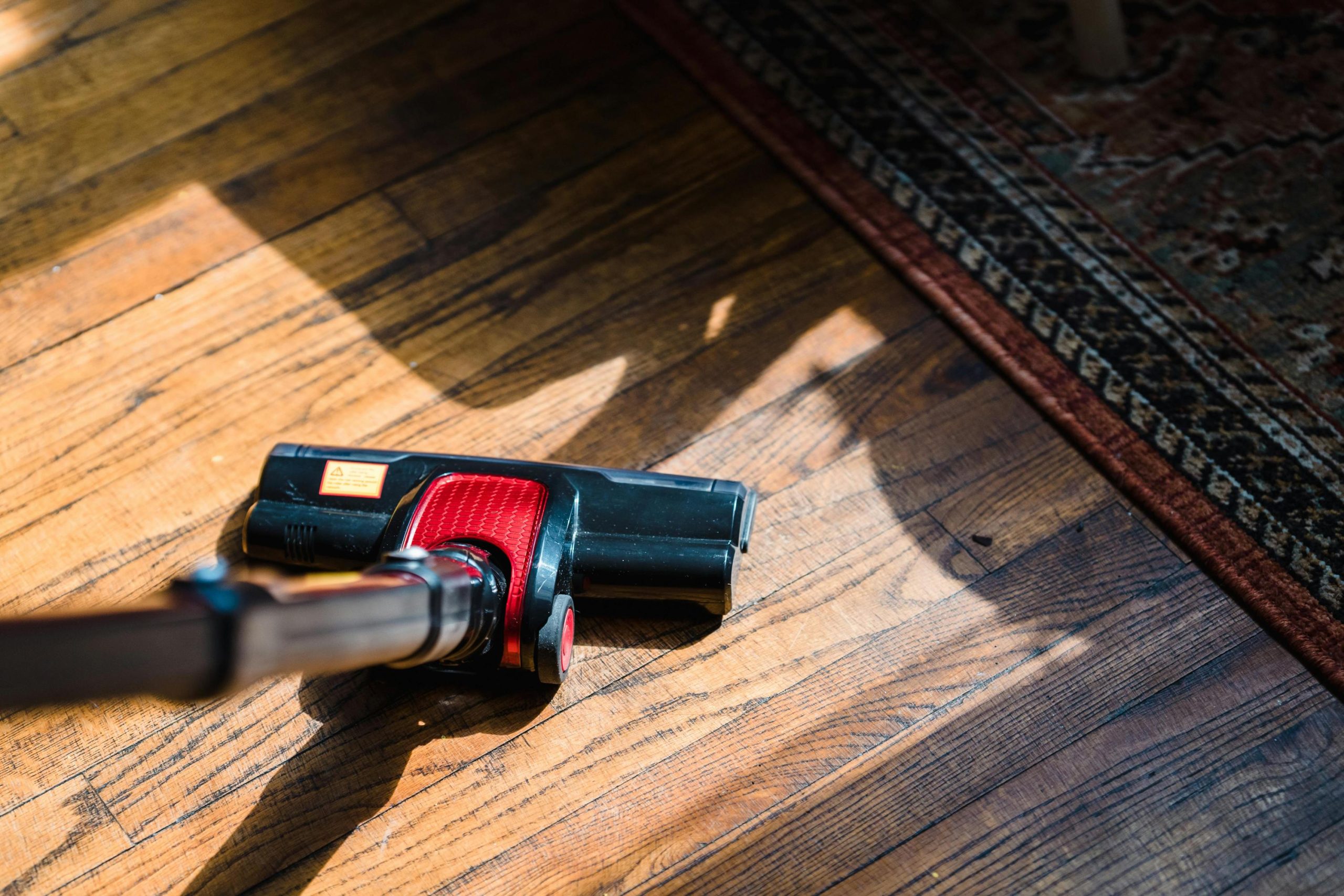
- Avoid the Vacuum Beater Bar: If you prefer to vacuum, make sure you turn off the “beater bar” (the spinning brush). Those stiff bristles are designed for carpet and can actually leave tiny swirl marks on hardwood. Use the “hard floor” setting or a specialized floor attachment with soft felt or hair bristles.
Habit 4: Spot Cleaning Spills Immediately
Water is the natural enemy of wood. While modern finishes are water-resistant, they are not waterproof. If you spill juice, coffee, or even just plain water, it needs to be wiped up the second it happens.
- The Problem: Wood is a cellular material, much like a sponge. If water sits on the surface, it can seep between the planks through the seams. This causes the edges of the boards to lift and swell, which is called “cupping.” Once a board cups, its edges stick up higher than the rest of the floor, making them much more likely to get scratched by furniture or feet.
- The Solution: Keep a clean microfiber cloth handy in a kitchen drawer. Blot the spill (don’t scrub it, as scrubbing can push liquid deeper into the seams) and then use a dry section of the cloth to make sure the area is completely bone-dry. If the spill is sticky, use a tiny drop of pH-neutral cleaner on a damp cloth, followed immediately by a dry one.
Habit 5: Checking Your Pet’s Paws and Claws
If you have dogs or cats, they are a major part of your hardwood floor cleaning routine. Pets don’t wear shoes, but their nails can be just as damaging as a pair of high heels.
- Nail Maintenance: Keep your pet’s nails trimmed. If you can hear a “click-click-click” sound when they walk on the floor, their nails are too long and are likely digging into the wood finish. Frequent trims at home or at the groomer are essential.
- The Paw Wipe: Keep a towel or a container of pet-safe wipes near the door. On rainy days, wipe your pet’s paws as soon as they come inside. This prevents mud, salt from winter sidewalks, and moisture from being spread across the house.
- Area Rugs: Consider placing rugs in areas where your pets like to run or jump, such as near the front door when they hear the doorbell. This protects the floor from “burnouts” when they try to gain traction.
Habit 6: The “Felt Pad” Inspection
Technically, this is about the furniture, but it impacts the floor every single day. Every chair, table, and sofa leg should have felt protectors on the bottom. These act as a cushion between the hard wood and the hard furniture.
- The Daily Check: As you do your daily dust mopping, keep an eye out for “naked” furniture legs. Felt pads can fall off, shift out of place, or become flattened and filled with hair over time.
- The Danger: A chair being pushed in at the dinner table can leave a deep gouge in seconds if the felt pad is missing. Replacing a 10-cent felt pad is much easier than fixing a scratch.
- Cleaning the Pads: Over time, felt pads can collect dust and pet hair, which can actually become abrasive. Every few weeks, take a quick look at the bottom of your chair legs and peel off any built-up “fuzz” to keep them soft.
Habit 7: Managing Sunlight and Humidity
This might not seem like “cleaning,” but environmental management is a part of floor maintenance. Wood reacts to its surroundings.
- The Fade: Intense UV rays from the sun can “bleach” the wood over time, changing its color. This also makes the finish brittle and more prone to flaking and scratching.
- The Habit: Close the sheer curtains or blinds during the brightest part of the day. This keeps the wood “supple” and ensures the finish stays strong enough to resist daily wear and tear.
- Humidity Control: Wood expands in high humidity and shrinks in low humidity. Using a humidifier in the winter and a dehumidifier in the summer keeps your floor stable. This prevents gaps from forming between the boards, which are magnets for dirt and grit.
Common Mistakes in Daily Cleaning
Many people try too hard and actually end up hurting their floors. When performing hardwood floor cleaning, avoid these three common traps:
- Too Much Water: Never use a dripping wet mop or a “bucket and string” mop. A “damp” mop (where the cloth feels barely wet) is okay once a week, but for daily cleaning, stay dry. Water causes wood to expand and contract, which breaks the seal of the finish.
- Vinegar and Ammonia: Old-school advice often says to use vinegar and water. However, vinegar is an acid. Over time, that acid will eat away at the shiny top coat of your floor, leaving it looking dull, cloudy, and “etched.” Once the shine is gone, you cannot simply “buff” it back; you may need to refinish the entire room.
- Steam Mops: Despite what the commercials say, most flooring manufacturers warn against steam mops. The high-pressure steam can force moisture deep into the grain of the wood and under the finish, causing permanent cloudiness and wood rot that a regular mop never would.
The 5-Minute Daily Schedule
If you feel overwhelmed, remember that this routine shouldn’t take all day. Here is a sample schedule for a busy homeowner:
- Morning (1 minute): Check the entry mats and give them a quick shake if needed. Make sure the “no-shoes” zone is tidy.
- Afternoon (1 minute): Wipe up any “tracked-in” moisture or pet paw prints near the doors after a walk.
- Evening (3 minutes): Run a microfiber dust mop over the main walking paths in the house—the kitchen, hallways, and living room. This removes the grit that accumulated during the day before you go to bed and prevents you from grinding it in further the next morning.
Long-Term Benefits of Daily Habit
Why go through all this trouble every day? It comes down to the lifespan of your floor. A hardwood floor that is neglected might need to be sanded and refinished every 7 to 10 years. Refinishing is a messy, expensive process that involves moving all your furniture and leaving your home for several days.
However, a floor that receives daily hardwood floor cleaning and care can easily go 20 or 30 years before it needs a full sanding. You might only need a simple “screen and recoat” (adding a new top layer of finish) every decade, which is much cheaper and faster. By spending five minutes a day, you are essentially saving yourself thousands of dollars in the long run.
Conclusion: A Small Investment for a Big Return
Your hardwood floors are one of the most expensive parts of your home. They represent a significant part of your property’s value. By committing to a daily routine of hardwood floor cleaning, you aren’t just cleaning—you are preserving a piece of your home’s character.
Preventing scratches is all about being proactive. By stopping dirt at the door, using the right dry-cleaning tools, and keeping an eye on your furniture and pets, you can keep your floors in “showroom” condition for years. It only takes a few minutes a day to ensure that your hardwood stays beautiful, smooth, and scratch-free for a lifetime. Your floors provide the foundation for your home’s style; give them the care they deserve, and they will reward you with beauty that lasts for generations.