Homes are built to protect, comfort, and support the people living inside them. Yet many of the systems responsible for that protection operate quietly in the background, only noticed when something goes wrong. Heating, cooling, water, drainage, and waste systems all work together to maintain a safe and efficient living environment. When they function properly, daily life feels seamless. When they do not, even small disruptions can quickly affect comfort, health, and finances.
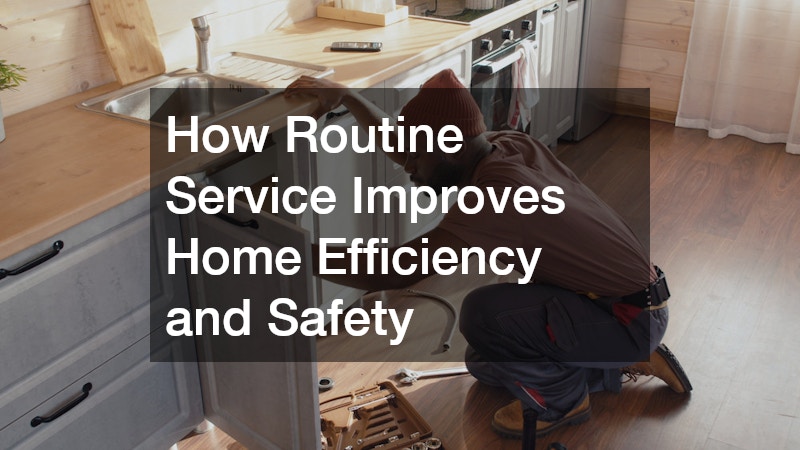
Routine service is the difference between systems that quietly perform year after year and systems that fail without warning. Efficiency and safety are closely connected; when equipment operates as designed, it consumes less energy, experiences less strain, and poses fewer risks to occupants. Neglected systems, on the other hand, often work harder to deliver the same results, leading to higher utility costs, premature wear, and increased likelihood of sudden breakdowns.
Many homeowners delay maintenance because problems are not immediately visible. Unfortunately, the most damaging issues often develop slowly and out of sight. Minor performance changes, unusual noises, or subtle efficiency losses can signal underlying wear that worsens over time if left unaddressed. Regular service brings these issues to the surface early, when solutions are simpler and more affordable.
This article explains how regular service improves both efficiency and safety across essential home systems. Rather than focusing on emergency repairs, it emphasizes prevention, early detection, and informed decision-making so homeowners can maintain comfort while avoiding unnecessary risk.
Improving Cooling Efficiency Before Problems Escalate
Cooling systems experience heavy seasonal demand, especially during periods of extreme heat. Without routine attention, performance declines gradually, often without obvious warning signs until energy bills rise or comfort drops.
When maintenance is skipped, dust accumulation, worn components, and airflow restrictions force systems to work harder than necessary. This increases operating costs while shortening equipment lifespan.
In many cases, homeowners fear that declining performance means immediate AC replacement, but routine service often resolves efficiency issues before replacement becomes necessary. A qualified HVAC contractor can assess airflow, refrigerant levels, and component wear to determine whether service or repair is the appropriate solution.
How routine cooling service improves efficiency
Regular service restores system balance and reduces energy waste by addressing issues such as:
- Dirty evaporator or condenser coils that restrict heat transfer
- Blocked airflow caused by dust or debris
- Electrical connections that loosen over time
- Improper refrigerant levels that reduce cooling capacity
Correcting these issues allows the system to cool more effectively with less energy.
Safety benefits of maintained cooling systems
Efficiency improvements also enhance safety. Systems that strain under heavy loads are more likely to experience electrical overheating or component failure. Routine inspections reduce these risks by identifying issues before they become hazards.
By addressing small problems early, homeowners avoid unnecessary replacement decisions while keeping cooling systems reliable during peak demand.
Maintaining Reliable Heat While Reducing Risk
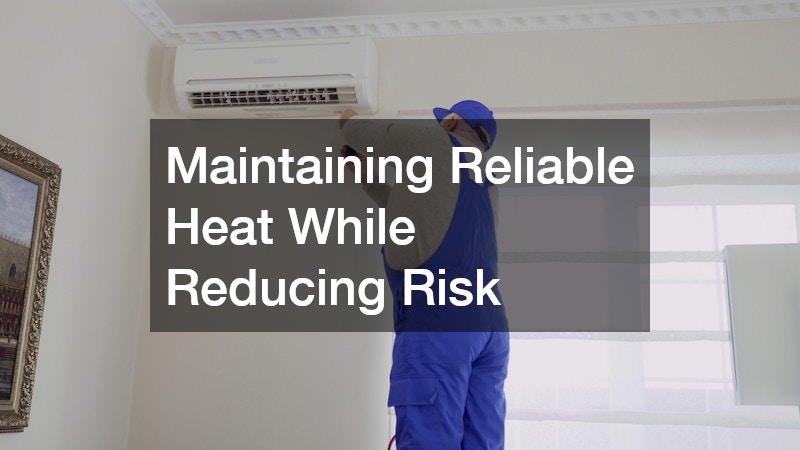
Heating systems are critical not only for comfort but also for safety. During colder months, heating equipment often runs for long periods, making routine care essential.
Neglected systems experience efficiency loss, uneven heating, and increased safety risks. Dust buildup, airflow restrictions, and worn components can all interfere with safe operation.
Scheduled Heating services address these issues before cold weather exposes weaknesses. Regular HVAC Service helps ensure that systems operate within safe parameters while delivering consistent warmth.
How routine heating care improves performance
Annual service improves efficiency by:
- Ensuring proper airflow through clean filters and vents
- Calibrating thermostats for accurate temperature control
- Inspecting heat exchangers and burners
- Verifying safe exhaust and ventilation pathways
These steps reduce energy consumption while improving comfort.
Safety risks associated with neglected heating systems
Heating systems that are not serviced regularly may present serious hazards, including:
- Carbon monoxide leaks from compromised components
- Fire risks due to dust accumulation
- Electrical failures from worn connections
Routine care significantly reduces these risks, protecting both the structure and its occupants.
Preventing Water Damage Through Proactive Plumbing Care
Water systems are among the most damaging when they fail. Even minor leaks can cause extensive damage if left unaddressed, weakening structural materials, promoting mold growth, and increasing repair costs far beyond the original issue. Because water travels throughout the home, failures often affect multiple areas at once.
Routine plumbing service focuses on identifying wear, corrosion, and inefficiencies before they lead to flooding or structural issues. Regular attention from qualified plumbers helps maintain safe water delivery and efficient operation by catching small problems such as loose fittings, aging pipes, or pressure irregularities early. This proactive approach protects both the home and the health of its occupants.
A hot water heater, in particular, benefits greatly from routine inspection. Sediment buildup and pressure issues reduce efficiency while increasing failure risk. Addressing these concerns early extends equipment life, improves performance, and reduces the likelihood of sudden, damaging breakdowns.
Efficiency improvements through routine water system care
Maintained water systems operate more efficiently by:
- Reducing heat loss from sediment accumulation
- Maintaining consistent water pressure
- Preventing unnecessary water waste
- Extending equipment lifespan
Small adjustments during routine service can significantly reduce energy and water costs.
Safety benefits of early detection
Routine inspections help identify:
- Corrosion that weakens tanks and pipes
- Faulty pressure relief valves
- Temperature settings that pose scalding risks
Addressing these issues early protects against sudden failures and improves household safety.
Keeping Drains Clear to Protect Health and Infrastructure
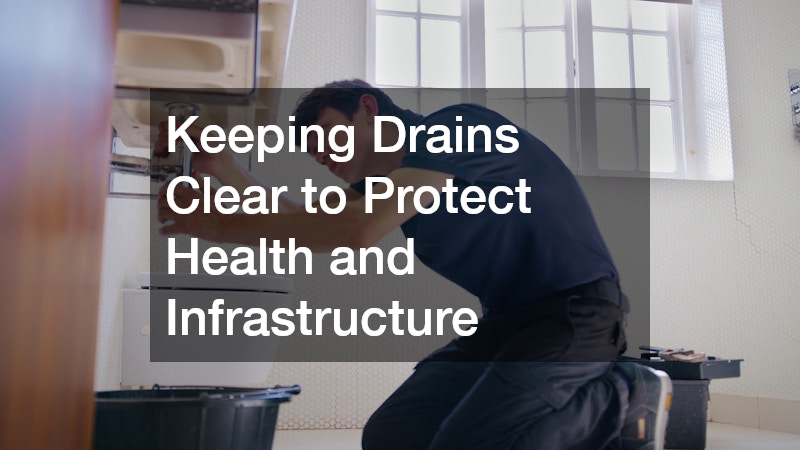
Drainage systems are designed to move waste away efficiently, but buildup occurs gradually over time. Slow drains are often dismissed as minor inconveniences, yet they can signal deeper problems forming within the system. Grease, soap residue, hair, and debris accumulate slowly, narrowing pipes and increasing internal pressure.
Routine maintenance reduces the risk of backups, contamination, and pipe damage. A scheduled drain cleaning service removes buildup before it restricts flow or causes pressure issues, helping preserve pipe integrity and maintain proper drainage throughout the home. Regular cleaning also reduces odors and improves overall sanitation.
When blockages extend deeper into the system, a rooter service may be necessary to clear obstructions that basic cleaning cannot address. Addressing these issues early prevents sudden backups that can damage flooring, walls, and fixtures, while also reducing health risks associated with wastewater exposure and mold growth.
Why routine drain care improves efficiency
Maintained drains allow water to flow freely, reducing strain on pipes and fixtures. Benefits include:
- Faster drainage throughout the home
- Reduced likelihood of backups
- Lower risk of pipe corrosion
- Improved system longevity
Health and safety considerations
Neglected drainage systems can create health hazards, including:
- Bacterial growth from standing water
- Sewer gas intrusion
- Contamination from backups
Routine service protects both plumbing infrastructure and indoor air quality.
Protecting Waste Systems to Avoid Environmental Hazards
Waste systems operate out of sight, which makes routine attention especially important. Problems often develop silently until failure becomes unavoidable, at which point repairs are disruptive, costly, and potentially hazardous. Because these systems are buried or hidden, homeowners may assume everything is functioning properly when gradual damage is already occurring.
Regular septic inspection identifies issues such as excessive solids, compromised tanks, or drainage problems before they escalate. These inspections are critical even when no symptoms are present, as early-stage issues rarely produce obvious warning signs. Catching concerns early allows for corrective action that protects both the property and the surrounding environment.
Water usage also plays a role in system performance. Coordination with a water heater company can help homeowners manage demand and reduce strain on waste systems. By balancing water flow and usage patterns, households can extend system life, reduce the risk of backups, and maintain more consistent, reliable operation over time.
How inspections support efficiency
Routine evaluations help ensure that waste systems operate within capacity by:
- Identifying buildup before it restricts flow
- Preventing drain field saturation
- Supporting proper bacterial balance
Efficient waste management reduces environmental impact and protects surrounding property.
Safety and compliance benefits
Maintained systems reduce risks such as:
- Sewage backups into the home
- Groundwater contamination
- Costly emergency repairs
Routine attention supports both household safety and environmental responsibility.
Creating a Routine Service Schedule That Works

Consistency is key to effective maintenance. Without a schedule, routine service is often postponed until problems appear, turning manageable upkeep into reactive repair. A structured approach removes guesswork and ensures that essential systems receive attention before wear and inefficiency accumulate. When maintenance becomes part of an annual rhythm, it is easier to follow through and less likely to be forgotten during busy periods.
An effective plan groups services logically and aligns them with seasonal needs. Systems that work hardest during extreme temperatures should be inspected before peak demand, while year-round systems benefit from regular check-ins that catch gradual decline. Coordinating services also helps homeowners manage costs and minimize disruptions by reducing repeated appointments.
Helpful scheduling strategies include:
- Annual inspections before peak usage seasons
- Coordinating multiple services in a single visit
- Keeping records of service history
- Budgeting for routine care instead of emergencies
A structured approach makes maintenance manageable rather than overwhelming.
How Preventive Service Improves Overall Home Performance
When systems are maintained together, the entire home benefits. Efficiency gains in one system often support others, creating a more balanced environment. For example, properly functioning heating and cooling systems place less strain on electrical components, while efficient water systems reduce overall energy demand. This interconnected performance helps prevent one neglected area from forcing other systems to work harder than necessary.
Coordinated maintenance also improves consistency throughout the home. Temperatures remain more stable, water pressure stays predictable, and indoor air quality improves when systems are clean and properly calibrated. These improvements enhance comfort while reducing wear that shortens equipment lifespan. Over time, the home operates more smoothly because no single system is compensating for another’s inefficiencies.
Maintaining systems together also simplifies planning and budgeting. Homeowners can schedule service more efficiently and address overlapping issues in a single visit. This holistic approach encourages long-term thinking, helping homeowners see their property as an integrated system rather than a collection of separate components, ultimately leading to better performance, fewer surprises, and improved overall safety.
Preventive service contributes to:
- Lower utility bills
- Fewer unexpected breakdowns
- More consistent indoor comfort
- Longer equipment lifespan
These improvements compound over time, delivering long-term value.
The Safety Advantages of Staying Ahead of Repairs
Many household hazards stem from neglected systems rather than sudden failures. Routine service reduces these risks by identifying vulnerabilities early. Issues such as worn electrical connections, restricted airflow, pressure imbalances, or slow drainage often develop gradually and remain unnoticed until they create unsafe conditions. Regular inspections bring these hidden problems to light before they pose serious threats to occupants or the structure itself.
When systems are serviced routinely, components are cleaned, adjusted, and tested to ensure they are operating within safe parameters. This process helps prevent scenarios such as overheating equipment, water leaks that weaken building materials, or backups that introduce harmful contaminants into living spaces. In many cases, addressing a small concern early prevents a chain reaction that could lead to fire risks, water damage, or health hazards.
Routine service also supports safer living by improving system reliability during periods of heavy use. Whether it is extreme temperatures or increased household demand, maintained systems are better equipped to perform safely when they are needed most, reducing the likelihood of emergencies that place people and property at risk.
Preventive care helps protect against:
- Electrical fires from overworked equipment
- Water damage from undetected leaks
- Health risks from poor air quality
- Structural damage from system failures
Proactive attention transforms maintenance into risk management.
Routine service is one of the most effective ways homeowners can protect both efficiency and safety. Rather than waiting for systems to fail, regular care keeps equipment operating within safe limits while reducing unnecessary energy use. This approach allows components to function as intended, minimizing stress on parts that are often pushed beyond their design limits when maintenance is neglected.
Homes function best when systems are maintained consistently, not reactively. Small investments in routine service prevent large disruptions, costly repairs, and avoidable hazards. Over time, this consistency also makes household expenses more predictable, replacing sudden emergency costs with planned, manageable maintenance. That predictability benefits not only budgets but also daily routines, reducing the stress that comes with unexpected system failures.
Routine service also helps homeowners become more familiar with how their home operates. Understanding normal performance makes it easier to recognize early warning signs and respond before problems escalate. Instead of guessing whether an issue is serious, homeowners gain clarity and confidence in their decisions.
By adopting a proactive maintenance mindset, homeowners create living environments that are more comfortable, reliable, and secure. Over time, that approach preserves not only the home itself but also the peace of mind that comes from knowing essential systems are prepared to perform when they are needed most, regardless of season or demand.