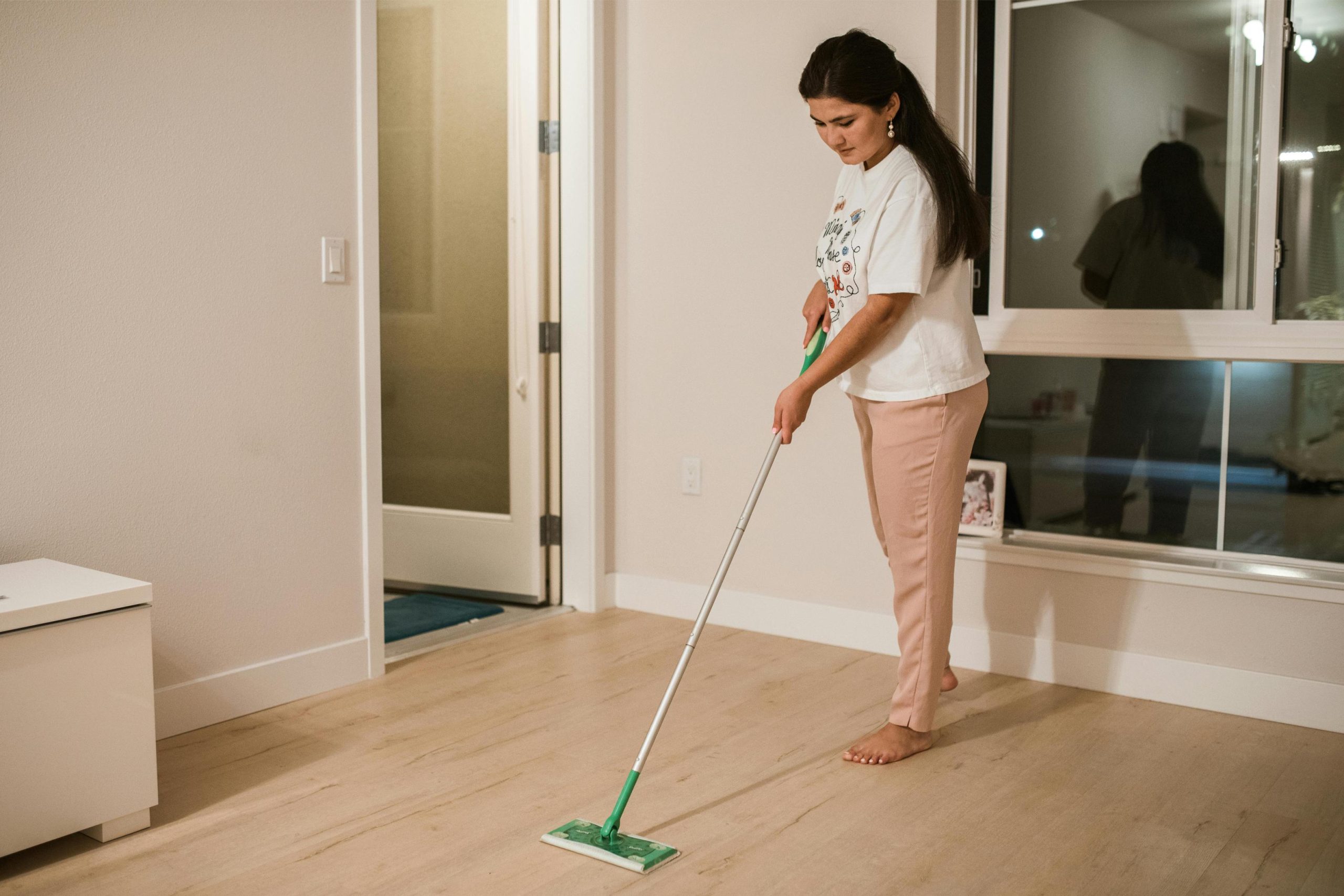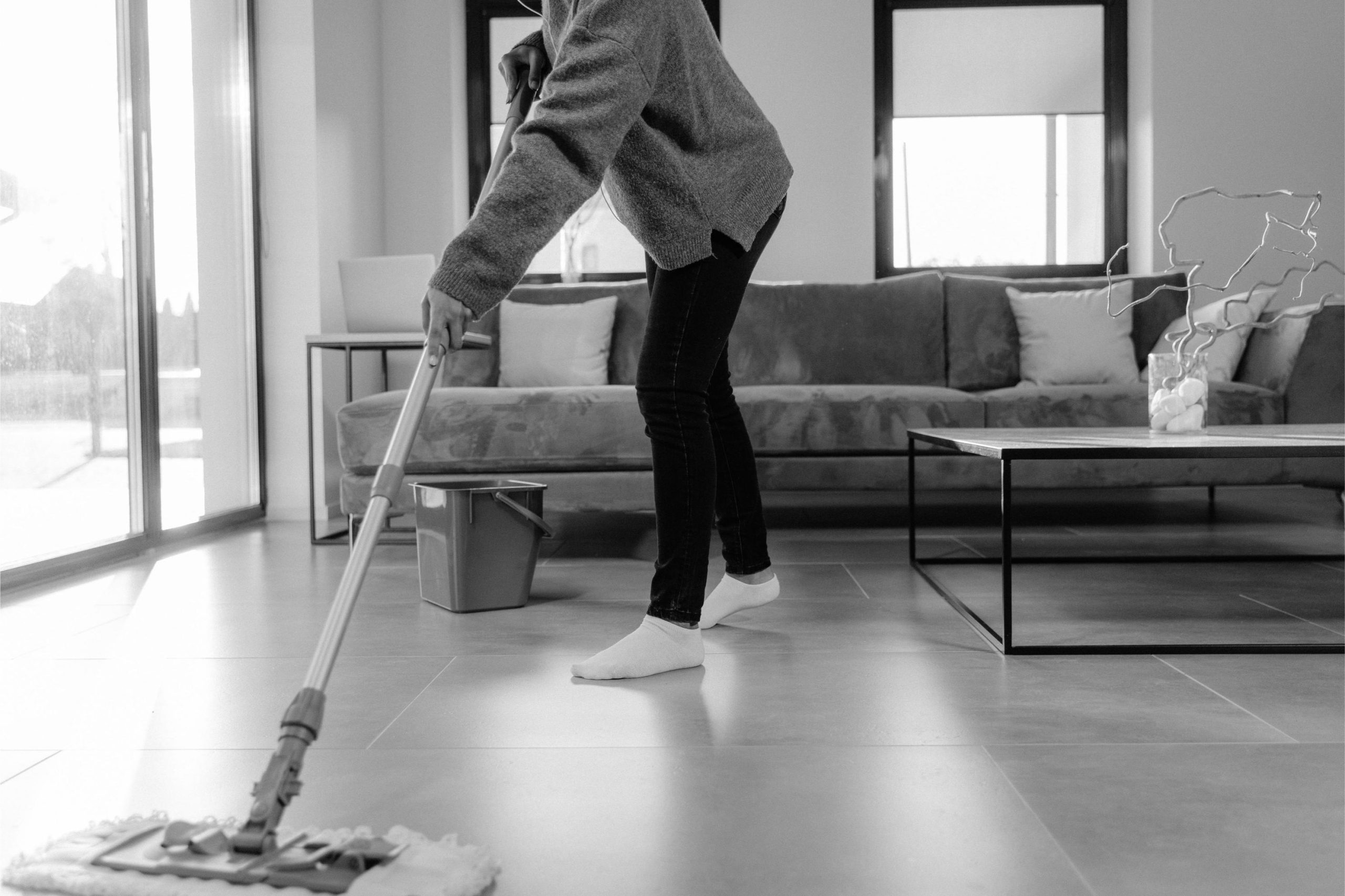
If you have a busy home filled with the sound of running feet and the pitter-patter of paws, you know that your floors take a beating. From muddy paw prints after a rainy walk to the sticky spills of afternoon juice boxes, the surfaces in your home are constantly under attack. In a house with kids and pets, your floors aren’t just something you walk on; they are a playground, a nap spot, and occasionally a dinner plate.
Because the floor is the foundation of your home’s cleanliness, one of the most common questions homeowners ask is: how often should you mop your floors to keep things healthy and clean? The answer isn’t the same for everyone. When you add children and animals into the mix, the standard “once every two weeks” advice simply doesn’t hold up.
In this guide, we will explore how to build a mopping schedule that actually works for a high-traffic home. We will look at why kids and pets change the rules, how different flooring materials impact your schedule, and the best ways to keep your home sparkling without spending every waking hour with a bucket in your hand.
Why Kids and Pets Change the Cleaning Game
In a house with only adults, floor cleaning is usually about removing dust and the occasional crumb. But kids and pets bring in a whole different level of “mess.”
- The “Ground-Level” Factor: Small children spend a significant amount of time on the floor. They crawl, they sit, and they play with toys that touch the ground. If your floors aren’t clean, those germs and allergens go directly onto their hands and into their mouths.
- The Paw Problem: Unlike humans, pets don’t take their shoes off at the door. Every time your dog goes outside, they bring back microscopic hitchhikers like pollen, dirt, and bacteria.
- The Shedding Situation: Even if your pet doesn’t bring in mud, they are likely dropping fur and dander. These oils from their skin can settle on the floor, creating a dull film that attracts even more dirt.
Because of these factors, how often should you mop your floors becomes a question of health as much as it is about looks.
The Room-by-Room Breakdown
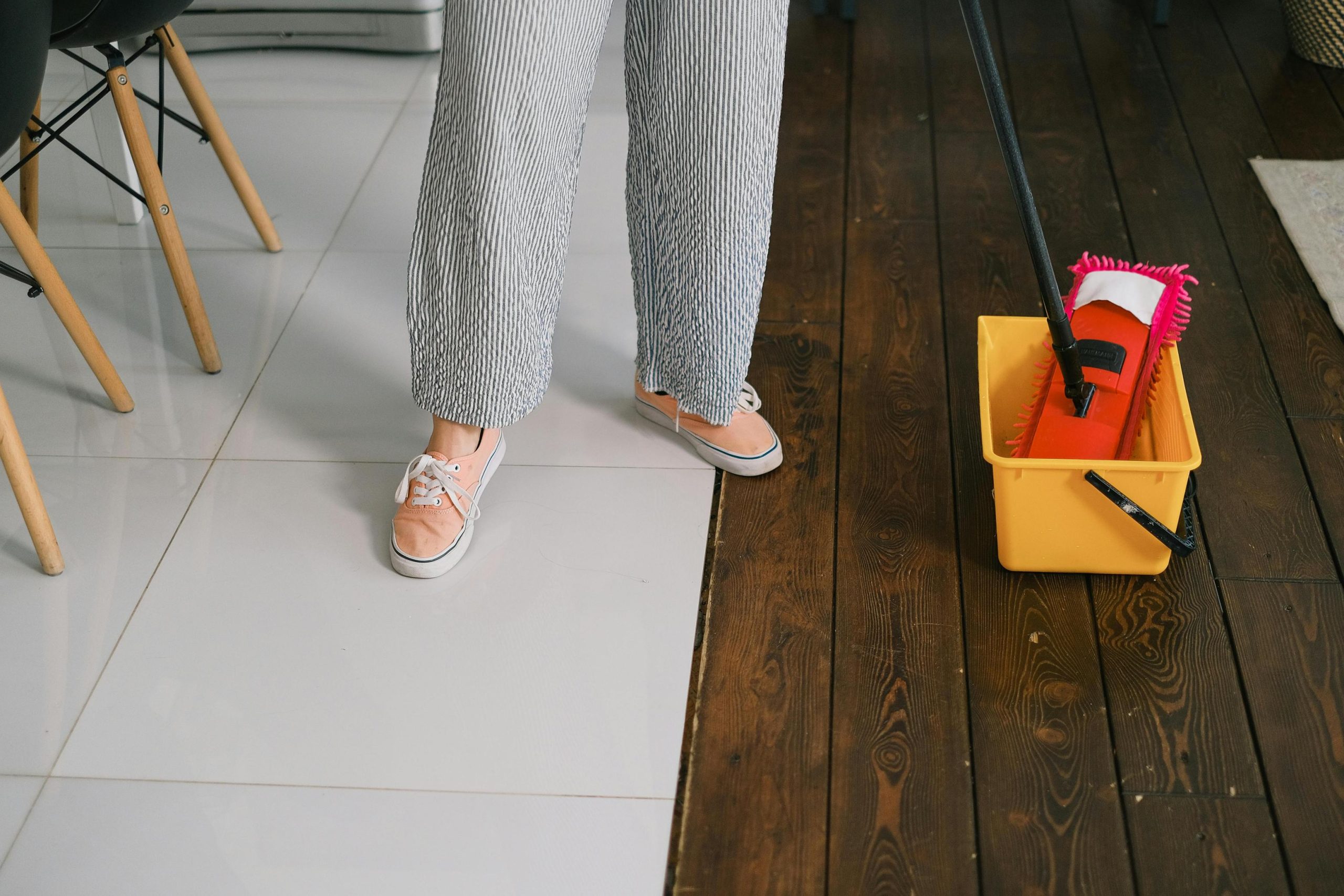
Not every room in your house needs to be mopped at the same frequency. Even in a busy home, some areas stay cleaner than others.
The Kitchen and Mudroom (Every 1–2 Days)
These are the “front lines” of your home. In the kitchen, food spills and grease from cooking create a sticky environment where bacteria love to grow. In the mudroom, the dirt from the outside world is most concentrated. If you have kids who drop snacks or a dog that eats in the kitchen, you should aim for a quick damp mop every other day.
The Living Room and Playroom (Once a Week)
These areas are high-traffic, but they usually don’t deal with as much “wet” mess as the kitchen. A thorough mopping once a week is usually enough to remove the build-up of pet dander and dust that accumulates while the family hangs out.
Bedrooms and Home Offices (Every 2 Weeks)
Unless your pet sleeps in these rooms or your kids use them as art studios, these areas stay relatively clean. You can usually get away with mopping these every two weeks, provided you are keeping up with dry dusting or vacuuming in between.
Understanding the “Dry vs. Wet” Cleaning Balance
One of the biggest secrets to managing a home with kids and pets is knowing that mopping is only half the battle. If you try to mop a floor that is covered in pet hair and crumbs, you are just going to push “mud” around.
To keep your floors in top shape, you must prioritize dry cleaning. This means sweeping, dust mopping with microfiber, or vacuuming. In a home with pets, you should be dry cleaning daily. This removes the abrasive grit—like sand and dried mud—that can scratch your floor’s finish.
Once the grit is gone, the “wet” part of how often should you mop your floors becomes much easier. You aren’t cleaning up “dirt”; you are cleaning up the sticky residues and bacteria that the vacuum couldn’t catch.
How Your Flooring Material Impacts the Schedule
Different floors have different “stress levels” when it comes to moisture. If you mop too often with the wrong tools, you could actually damage your home.
Hardwood Floors
As any home improvement expert will tell you, water is the natural enemy of wood. Even if you have kids and pets, you should never “flood” your wood floors. For effective hardwood floor cleaning, you should damp mop once a week using a very well-wrung microfiber mop. The floor should be dry within a minute of mopping. If it stays wet longer than that, you are using too much water, which can cause the wood to swell or warp over time.
Tile and Stone
Tile is much more durable and can handle more frequent mopping. If your dog comes in with muddy paws, you can mop your tile every single day if you need to. However, pay attention to the grout. Grout is porous and can trap dirty water, turning it dark over time.
Laminate and Luxury Vinyl Plank (LVP)
These floors are very popular in homes with kids and pets because they are tough. While LVP is often waterproof, laminate is not. For both, a weekly mop with a pH-neutral cleaner is the gold standard.
3 Tips for Mopping Less Often
If the idea of mopping every other day sounds exhausting, you can use these home improvement strategies to keep the dirt away for longer.
- The “Paw Station”: Keep a container of pet-safe wipes or a dedicated towel right by the door. If you wipe your dog’s paws every time they come inside, you can reduce your mopping frequency by half.
- The Shoe Bin: Make it a strict rule that no shoes are worn in the house. Provide a comfortable bench and a bin at the entrance. This stops the gravel and street grime from ever reaching your living room.
- Strategic Rug Placement: Use washable runner rugs in high-traffic hallways and large area rugs in playrooms. These act as “filters” that catch the dirt. Since you can throw many modern rugs in the washing machine, it is much easier than mopping.
Choosing the Right Tools and Cleaners
When you have kids crawling on the floor and pets licking their paws, the type of cleaner you use is just as important as how often you should mop your floors.
- Avoid Harsh Chemicals: Bleach and ammonia are powerful, but they leave behind residues that can be irritating to sensitive skin and paws.
- The Power of Vinegar (With Caution): A small amount of white vinegar in warm water is a great natural cleaner for many surfaces, but remember it is acidic. Never use it on hardwood or natural stone like marble, as it can dull the finish over time.
- Microfiber is King: Old-fashioned “string” mops often just move dirty water around. Microfiber mops have tiny fibers that actually grab and lift the bacteria away from the surface. Plus, they use much less water, which is better for your floors.
The “Spot Mop” Strategy

You don’t always have to mop the entire house. In a home with kids, the “spot mop” is your best friend. If a glass of milk spills in the dining room, just clean that area. If the dog leaves a muddy trail from the back door to his water bowl, just mop that path.
By handling small messes as they happen, you prevent the dirt from being tracked into other rooms. This keeps the “big” weekly mopping session much faster and more effective.
Conclusion
Having a home full of life means having a home that gets dirty. While the question of how often you should mop your floors depends on your specific lifestyle and flooring type, the general rule for a home with kids and pets is a “little and often” approach.
Aim for daily dry cleaning to remove grit, a quick damp mop of high-traffic areas every couple of days, and a deep clean of the whole house once a week. By staying consistent, you aren’t just making your home look better; you are creating a safe, healthy environment for your children to play and your pets to relax.
A clean floor is a sign of a well-cared-for home. With the right routine, you can spend less time worrying about the mud and more time enjoying the family that made the mess in the first place.