Maintaining a home is more than keeping it clean or organized; it’s about protecting your investment, preventing costly emergencies, and ensuring a safe, comfortable living environment. Homes are complex systems, with multiple interdependent components that require attention throughout the year. Failing to address small issues promptly can lead to expensive repairs, property damage, and frustration for homeowners.
Year-round maintenance is proactive, rather than reactive. It addresses visible areas like roofs, windows, and pools, as well as hidden systems like plumbing, electrical, and septic. When approached systematically, homeowners can prevent problems before they escalate, extend the lifespan of their home’s systems, and maintain both safety and comfort.
This guide offers expert advice on key areas of home maintenance, organized seasonally and by system. It provides actionable tips to ensure every part of your home is performing optimally, helping you avoid emergencies while keeping your property in top shape.
Additionally, year-round maintenance helps improve efficiency and curb appeal. A home that shows consistent care attracts higher resale value and can prevent the stress of emergency repairs. By planning tasks in advance, you’ll save time, money, and effort while keeping your household running smoothly. Even simple, routine inspections can reveal hidden issues, allowing you to take action before they become costly. Developing a proactive mindset toward home maintenance is the best way to protect your investment long-term.
Equally important, maintaining a home consistently fosters a safer and healthier environment for your family. Preventive measures, like checking for water leaks, faulty wiring, or pest intrusions, reduce hazards that could disrupt daily life. A well-maintained home also enhances comfort, providing reliable heating, cooling, and water systems while ensuring that structural elements remain secure. Over time, these small, routine efforts accumulate into substantial savings, prevent unexpected stress, and preserve both the financial and emotional value of your property. By approaching home care as an ongoing process rather than a reactive task, homeowners can enjoy peace of mind and a home that truly performs at its best year-round.
Protecting Your Roof Through Seasonal Checks
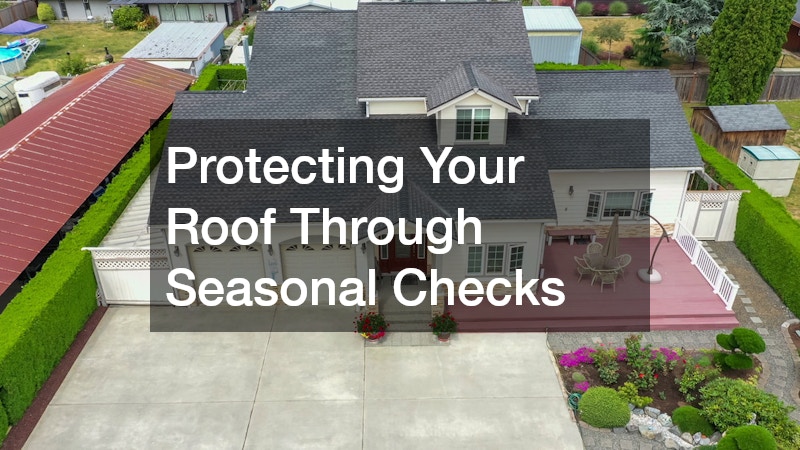
The roof is one of the most critical components of any home. It protects the interior from weather damage, prevents structural issues, and plays a major role in energy efficiency. Despite its importance, it’s often overlooked until problems become severe. Regular inspection and maintenance are essential for prolonging the life of your roof and avoiding costly repairs.
Key tips for seasonal roof maintenance:
- Inspect shingles, tiles, and flashing for cracks, missing pieces, or curling edges.
- Clear gutters and downspouts of debris to prevent water backup.
- Check for signs of leaks or water damage in the attic.
- Look for moss or algae growth, which can degrade roofing materials.
- Trim overhanging tree branches that could damage the roof during storms.
- Monitor attic ventilation to prevent moisture buildup and wood rot.
- Check chimneys and vents for signs of wear or damage.
Hiring a roofing contractor for annual inspections ensures small problems are addressed before they escalate. For minor issues, a local roofing repair service can handle timely fixes, such as patching leaks or replacing a few damaged shingles, helping to maintain the roof’s integrity without a full replacement.
Proactively maintaining your roof not only prevents water intrusion but also protects insulation, attic ventilation, and the structure beneath. Well-maintained roofs reduce energy loss, prevent mold growth, and improve overall home safety. Even small inspections after storms can prevent hidden damage from worsening over time, saving thousands of dollars in emergency repairs.
Maintaining Windows for Efficiency and Safety
Windows are more than just a view; they affect energy efficiency, security, and indoor comfort. Poorly maintained windows can allow drafts, increase heating and cooling costs, and even pose safety risks if they fail. Regular attention to both the hardware and glass is essential for a well-functioning home.
Practical window maintenance tips:
- Inspect for cracks, fogging, or broken seals that indicate a need for repair.
- Clean tracks, hinges, and locks to ensure smooth operation.
- Weatherstrip or caulk gaps to prevent drafts and improve energy efficiency.
- Replace damaged screens and broken panes promptly.
- Consider double-glazing or other energy-efficient upgrades if your windows are outdated.
- Remove dirt and debris from window sills to prevent water pooling.
- Check locks and latches for proper security function.
Scheduling timely window repair can prevent small cracks from expanding into major problems. Professionals can also ensure that repairs are done safely, particularly for larger or upper-story windows. Regular window maintenance can improve indoor comfort, reduce energy bills, and even enhance noise reduction.
Properly maintained windows help regulate indoor temperatures, improve natural light, and prevent structural damage caused by water infiltration. They also improve the appearance of the home and can increase property value. Even minor upkeep can make a noticeable difference in both efficiency and longevity.
Caring for Pools to Avoid Costly Damages
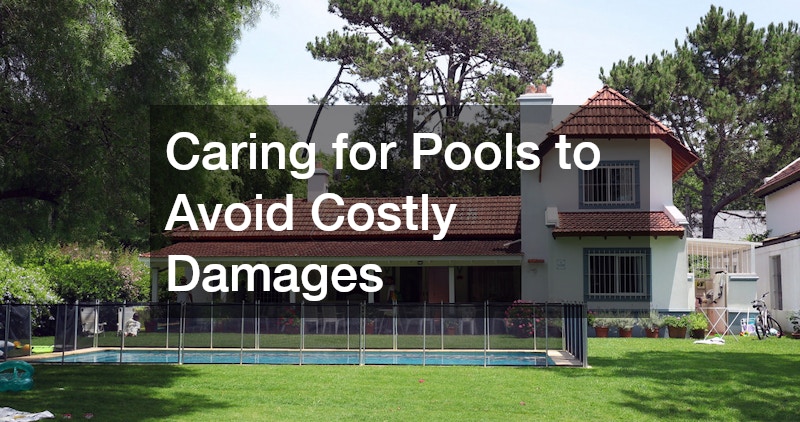
For homes with swimming pools, year-round care is essential. Pools require both aesthetic maintenance and mechanical attention, as neglect can lead to leaks, algae growth, or costly equipment failures. Regular care ensures safety and keeps your investment in top condition.
Pool maintenance recommendations:
- Test and balance water chemistry weekly during swimming season.
- Clean filters, skimmers, and pumps to maintain proper circulation.
- Inspect liners, tiles, and surrounding decking for cracks or wear.
- Winterize pools before cold weather to prevent freeze damage.
- Schedule professional inspections for leaks, pump performance, and other mechanical issues.
- Monitor water levels to prevent pump damage.
- Remove debris promptly to maintain water clarity and prevent clogs.
Even minor pool problems, if left unaddressed, can escalate quickly. Pool repairs performed promptly prevent water damage to surrounding areas and reduce the need for costly equipment replacements.
Consistent pool care enhances both functionality and appearance, allowing homeowners to enjoy their backyard safely while avoiding unexpected expenses. It also prevents health hazards caused by algae or stagnant water. Seasonal inspections ensure that equipment such as pumps and filters continue to operate efficiently, reducing energy consumption and extending the life of your pool investment.
Ensuring Garage Doors Operate Safely
Garage doors are essential for security and convenience, but they are often neglected until a malfunction occurs. A malfunctioning garage door can pose safety hazards or even prevent access to your home. Regular maintenance ensures smooth operation and extends the life of the door.
Tips for maintaining garage doors:
- Lubricate tracks, rollers, and hinges to prevent squeaks and wear.
- Inspect springs, cables, and pulleys for signs of fatigue or damage.
- Test automatic openers and safety sensors to ensure proper function.
- Tighten loose bolts and replace worn hardware.
- Check weather seals to prevent drafts and water intrusion.
- Ensure the door balances correctly to avoid strain on the motor.
- Replace worn rollers or tracks to prevent sudden failures.
When repairs are needed, garage door repairs performed promptly reduce the risk of accidents and prevent small issues from escalating into major mechanical failures.
Properly functioning garage doors provide security, convenience, and peace of mind, which are important factors for homeowners and potential buyers. Regular maintenance also ensures that automatic openers operate efficiently and safely, preventing injuries or equipment damage.
Preventing Plumbing Disasters with Regular Checks
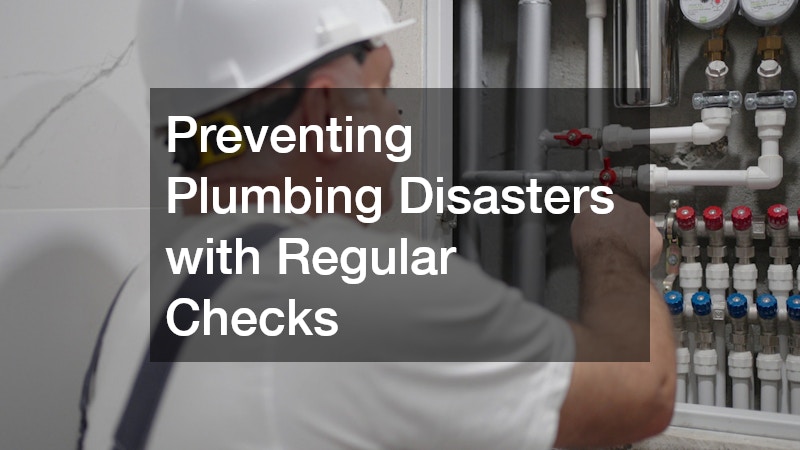
Plumbing issues can be some of the most disruptive and expensive problems a homeowner faces. Leaks, clogged drains, and failing pipes not only cause damage but can also create health hazards. Regular maintenance prevents emergencies and keeps your home running smoothly.
Plumbing maintenance tips:
- Inspect visible pipes for corrosion, leaks, or loose connections.
- Monitor water pressure and check for unusual noises or slow drains.
- Clean drains regularly to prevent buildup and clogs.
- Avoid flushing harmful items that could damage pipes.
- Schedule annual inspections with a local plumber to detect hidden problems.
- Check water heaters for sediment buildup and proper operation.
- Inspect outdoor spigots and irrigation systems for leaks.
Professional drain cleaning helps prevent backups and ensures wastewater flows efficiently. For persistent issues, a rooter service can address blockages deep in the sewer line, preventing serious damage and costly repairs.
Consistent attention to plumbing not only protects your home but also ensures comfort and convenience for daily life. Proper maintenance also prevents mold growth, water damage, and structural problems caused by undetected leaks.
Electrical System Maintenance for Safety and Efficiency
Electrical systems power every aspect of a modern home, yet they are often overlooked until a problem arises. Faulty wiring, overloaded circuits, or failing outlets can create fire hazards or disrupt daily routines. Regular inspections and upkeep are essential for safety.
Electrical maintenance tips:
- Test outlets, circuit breakers, and GFCIs regularly.
- Replace frayed cords or damaged fixtures promptly.
- Check for flickering lights or warm outlets, which may indicate a problem.
- Upgrade outdated panels to meet current codes.
- Schedule professional inspections for a comprehensive system evaluation.
- Ensure surge protection for sensitive electronics.
- Label breaker boxes clearly for quick identification during emergencies.
Electrical repair by a qualified professional ensures that your system remains safe and reliable. Addressing issues early reduces the risk of fires and costly emergency interventions.
Maintaining a safe electrical system supports all other home systems, allowing you to run appliances, HVAC, and electronics efficiently without worry. Proper electrical upkeep also increases energy efficiency and can reduce insurance risks in the event of accidents.
Keeping Septic Systems Functioning Properly
Homes with septic systems require careful attention to avoid backups, contamination, and expensive repairs. Proper maintenance ensures sanitation and longevity.
Septic system tips:
- Schedule regular inspections and pumping as recommended by professionals.
- Avoid flushing harmful chemicals, grease, or non-biodegradable items.
- Monitor for slow drains, odors, or wet spots in the yard.
- Plan upgrades if the system is aging or experiencing capacity issues.
- Educate all household members on proper septic usage.
- Keep heavy vehicles off drain fields to prevent compaction.
- Ensure water-efficient appliances are used to reduce system strain.
Local septic services provide routine maintenance and emergency support when issues arise. Rooter service can address blockages in the drain field or sewer lines, preventing overflow or property damage.
Consistent septic care ensures your system functions efficiently, protects your property, and reduces unexpected repair costs. Proper maintenance also safeguards the health of your family and neighbors, as failing systems can cause contamination or unpleasant odors.
Seasonal Checklists for Holistic Home Maintenance
Coordinating all systems into seasonal routines ensures nothing is overlooked. Dividing maintenance tasks by season simplifies scheduling and keeps the home in optimal condition year-round.
Spring:
- Inspect the roof and gutters for winter damage.
- Weatherproof windows and doors.
- Prepare the pool for swimming season.
- Check septic and plumbing systems.
- Clean and inspect outdoor faucets and irrigation systems.
Summer:
- Test electrical outlets, panels, and safety devices.
- Inspect garage doors and lubricate moving parts.
- Perform minor plumbing and drain maintenance.
- Check pool pumps and circulation systems.
Fall:
- Clear leaves from gutters and downspouts.
- Inspect roofing for loose shingles or damage.
- Winterize plumbing to prevent frozen pipes.
- Check HVAC filters and heating systems.
Winter:
- Monitor indoor plumbing for leaks or frozen pipes.
- Ensure heating systems are functional and safe.
- Schedule professional inspections for any deferred repairs.
Using this organized approach ensures each system receives attention at the right time, preventing emergency repairs and extending the life of home components. It also helps homeowners manage budgets and plan for professional services efficiently.
Maintaining your home year-round protects your investment, improves safety, and ensures comfort for everyone living in the space. Small, consistent maintenance tasks prevent emergencies, reduce repair costs, and extend the lifespan of critical systems like roofing, plumbing, electrical, and mechanical components.
Prioritizing preventative care and scheduling professional inspections helps homeowners address issues before they escalate. By coordinating seasonal tasks, addressing minor repairs promptly, and relying on experienced professionals when needed, homeowners can enjoy peace of mind and a home that functions efficiently throughout the year.
Developing a routine that covers all systems ensures a safer, more reliable, and more valuable home. Consistent attention now reduces stress, emergency expenses, and unexpected downtime in the future. Year-round home maintenance is an investment that pays dividends in comfort, security, and property value.
In addition, a proactive maintenance routine enhances energy efficiency and sustainability, reducing utility costs and environmental impact. Homes that are well-maintained not only operate more efficiently but also retain higher resale value, appealing to potential buyers who prioritize reliability and low upkeep. Regular maintenance also fosters a safer living environment by minimizing hazards such as electrical failures, plumbing leaks, or structural damage. By taking a holistic approach, homeowners can detect small problems before they become major repairs, preserving both the physical integrity of the property and the overall peace of mind of those living in it. Ultimately, consistent home care transforms maintenance from a chore into a strategic investment in long-term comfort, safety, and financial value.