A roof is one of the most integral components of any home, providing protection against the elements while enhancing aesthetic appeal. Over time, even the most resilient roofs suffer from wear and tear, demanding the attention of experts. The decision to repair or replace a roof often depends on a variety of signs and considerations that indicate the appropriate action.
1. What Are the Signs That You Need a New Roof?
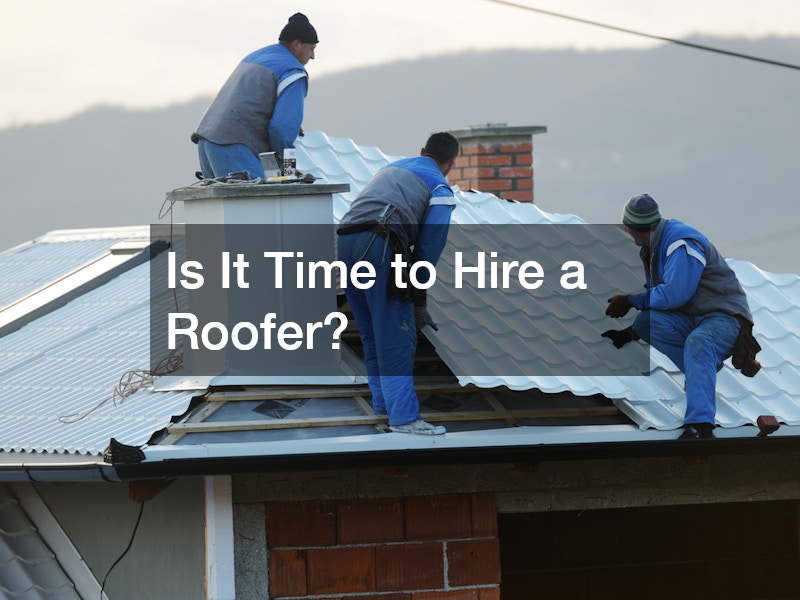
There are several telltale signs that it’s time to invest in a new roof. One of the most obvious indicators is the presence of damaged or missing shingles.
When shingles begin to curl, crack, or disappear, it’s a clear signal of aging and deterioration. Another sign is when you start noticing granules from shingles in your gutters, as this indicates the protective layer is wearing away. It’s important to regularly inspect your roof for these visible signs of damage.
Water damage and leaks are serious indications that your roof may need replacement. If you notice water stains on your ceiling or walls, it’s likely that the integrity of your roof has been compromised. Mold and mildew can also start to develop, posing health risks to inhabitants of the house. Additionally, recurrent leaks during rainstorms suggest that patching repairs may no longer suffice. Hiring a professional to assess the extent of the damage can help determine whether a full replacement is necessary.
In some cases, even if the roof appears structurally sound, its age might necessitate replacement. Most roofing materials, such as asphalt shingles, have a lifespan of 20 to 25 years. If your roof is approaching or has surpassed this period, it might be prudent to start planning for its replacement. Environmental factors, including severe weather conditions, can further reduce the lifespan of a roof. Therefore, knowing the age of your roof and considering the local climate’s impact on it can provide clarity on the right time for a replacement.
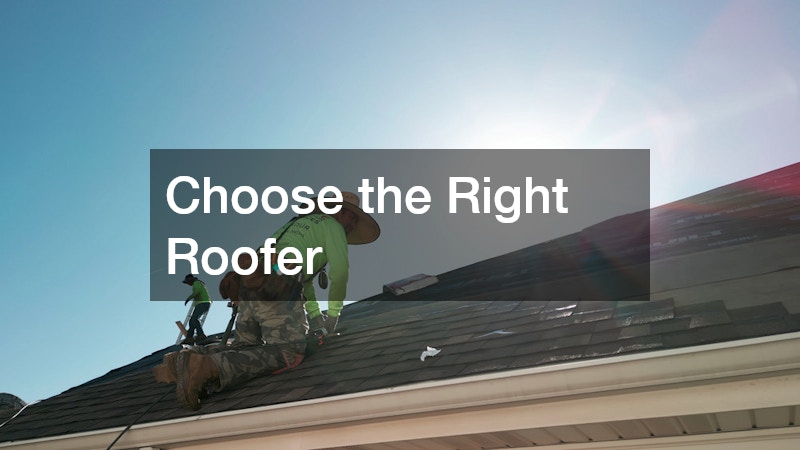
2. How to Choose the Right Roofer?
Selecting the right roofer is a critical step in ensuring a successful roofing project. Begin by seeking recommendations from friends, family, and neighbors who have recently had roofing work done. Personal referrals can provide insight into a contractor’s reliability and work quality. Additionally, online reviews and testimonials can offer a broader view of customer satisfaction and potential red flags. Compile a list of at least three local roofing contractors who come highly recommended.
Once you have your list, verify each contractor’s credentials and qualifications. It’s advisable to hire a roofing company that is licensed, insured, and certified by roofing manufacturers. Licensing ensures that the contractor meets governmental regulations, while insurance protects against potential liabilities. Certification indicates proficiency in installing specific roofing materials, ensuring proper technique and compliance with industry standards. Don’t hesitate to ask for copies of their documentation for verification.
After narrowing down your options, arrange face-to-face meetings to discuss your roofing needs and obtain estimates. Pay attention to the contractor’s communication skills, professionalism, and willingness to address your concerns. A thorough inspection and detailed assessment of your roof’s condition should precede any estimate. Consider factors such as project timelines, warranties, and costs in your decision-making. Ultimately, the right roofer should collaboratively plan with you to achieve the desired outcome, providing transparency and expertise throughout the process.
3. What Should Be Included in the Roofing Contract?
A well-documented roofing contract is essential for outlining expectations, responsibilities, and project specifics. The contract should clearly define the scope of work to avoid any misunderstandings. Details such as the types of materials to be used, project timelines, and payment terms should be included. A detailed description of the removal process for the old roof and installation of the new one must be outlined. Clearly documented specifications help ensure that both parties are on the same page from the start.
Warranties should be explicitly stated within the contract to safeguard against potential future issues. Distinguish between manufacturer warranties for materials and the contractor’s warranty for work completed. This dual approach ensures comprehensive coverage for both defects in roofing products and improper installations. Moreover, the contract should address post-project cleanup obligations to maintain safety and aesthetics. Agreeing upfront on these aspects reduces disputes once the project is underway.
Additionally, include clauses that cover unforeseen circumstances and changes to the project. Unexpected damage or additional repairs might arise during the renovation process, necessitating additional discussions. Ensure the contract addresses potential delays due to weather conditions or other unforeseen factors. A clear communication channel should be established for negotiating adjustments and securing mutual agreement before proceeding. A comprehensive contract serves as a safeguard for both homeowner and roofer throughout the project.
4. What Are the Different Types of Roofing Materials?
There are several roofing materials available, each with its own advantages and drawbacks. Asphalt shingles are the most prevalent option due to their affordability, ease of installation, and variety of styles. They are suitable for a wide range of architectural designs and offer a solid lifespan without a hefty price tag. However, they may not hold up as well in extreme weather conditions over time. It’s critical to weigh the benefits and longevity against potential climate impact when deciding on asphalt shingles.
Metal roofing has gained popularity recently for its durability and energy efficiency. Offering longevity of up to 50 years, metal roofs are resistant to elements such as fire, insects, and rot. Their reflective nature also helps decrease cooling costs in warmer climates. However, metal roofing can be more expensive upfront, requiring careful consideration of long-term savings versus initial investment. Each homeowner must assess whether the durability and energy savings justify the cost.
Tile and slate roofs offer unparalleled longevity, often lasting a century with proper care. While the initial costs are significantly higher than other materials, their durability and aesthetic appeal can increase a property’s value. They’re especially popular in regions with warmer climates due to their thermal insulating properties. However, their weight requires additional structural support, adding to the overall project cost. Understanding your home’s structural capacity and budget will guide you in choosing the right roofing material.
5. How Much Does a New Roof Installation Cost?
Several factors influence the cost of a new roof installation, including materials, labor, and the complexity of the project. On average, homeowners can expect to pay between $5,000 and $15,000 for a standard asphalt shingle roof. More premium materials like metal, tile, or slate can increase these costs significantly. An accurate estimate should consider both the total square footage and the pitch of the roof. The choice of material is a key factor in calculating overall expenses.
Labor costs can vary depending on your geographical location and the roofing company’s reputation. Hiring experienced labor can slightly increase the cost but generally translates to higher quality work and fewer issues down the line. Additional costs such as inspection fees, permits, and potential local taxes should factor into your budget. It’s critical to obtain several quotes to understand the local market’s pricing norms and avoid overpaying. The financial investment in a quality roof often pays dividends in the form of long-term durability and protection.
Unexpected costs can arise if underlying structural damage is discovered during the renovation process. It’s wise to allocate an additional 10-20% of your budget for contingencies. Renovations may reveal issues such as damaged flashing or decayed decking that require immediate attention. Addressing these problems during the current project can prevent more extensive damage and potential water leaks in the future. Comprehensive planning ensures that financial surprises are minimal, allowing the homeowner to proceed with confidence.
As a crucial component of your home, a well-maintained roof is essential for safety and comfort. While the prospect of repairing or replacing a roof can seem overwhelming, understanding the signs, making informed decisions about materials, and choosing the right professional give homeowners control over their investment. By staying informed and proactive, you ensure your home remains a sanctuary, protected from the elements and capable of increasing its value over time.